Marketo Content AI: How Smart Automation Improves B2B Marketing Performance
In today’s hypercompetitive digital environment, B2B marketing success is no longer defined by how much content you produce, but by how intelligently that content is delivered. Decision-makers are overwhelmed with information, and their expectations have shifted toward relevance, timing, and personalization. This is where marketo content ai emerges as a transformational force in modern B2B marketing.
As organizations move deeper into 2026, automation powered by artificial intelligence is no longer optional. It has become the foundation for scalable growth, measurable ROI, and meaningful buyer engagement. By combining machine learning, behavioral intelligence, and predictive analytics, marketo content ai enables marketers to orchestrate highly personalized content experiences across email, web, and lead-nurturing journeys.
This article explores how marketo content ai works, why it matters, and how it reshapes B2B marketing performance—while offering practical insights, strategic frameworks, and future-ready best practices.
The Evolution of B2B Content Marketing in the AI Era

The B2B marketing landscape has changed dramatically over the last decade. What once revolved around static campaigns and broad segmentation has evolved into a real-time, data-driven ecosystem. Buyers now control the journey, researching independently and engaging with brands on their own terms.Content saturation has made manual personalization nearly impossible. Marketing teams manage thousands of assets, yet struggle to present the right message at the right moment. This gap between content creation and content impact is exactly where marketo content ai delivers value.
AI-driven content intelligence allows marketers to replace guesswork with precision. Instead of relying on assumptions, algorithms analyze engagement patterns, buyer intent, and historical performance to optimize every interaction. The result is a smarter, more responsive marketing engine.By automating content selection and delivery, marketo content ai empowers teams to scale personalization without sacrificing relevance—turning complexity into competitive advantage.
What Is Marketo Content AI and How It Works
Understanding the technology behind AI-powered marketing is essential for adoption and success. At its core, marketo content ai is a predictive recommendation system embedded within Adobe Marketo Engage that dynamically serves the most relevant content to each user.Unlike basic automation tools that rely on fixed rules, marketo content ai uses machine learning to continuously learn from buyer behavior. It analyzes clicks, downloads, page views, time on site, and conversion data to determine which assets perform best for specific personas and funnel stages.
The system evaluates both user signals and content performance metrics simultaneously. Within milliseconds, it matches the visitor with the content most likely to advance their journey—whether that is a case study, whitepaper, webinar, or blog post.This real-time intelligence transforms static content libraries into adaptive ecosystems that improve continuously without manual intervention.
Machine Learning Meets Buyer Intent
AI models interpret behavioral signals to predict future actions with high accuracy.
Predictive Content Ranking
Assets are ranked dynamically based on likelihood to convert.
Why Smart Automation Is a Competitive Necessity
Modern B2B buyers expect the same level of personalization they experience in consumer platforms. Generic messaging now creates friction rather than engagement. Organizations that fail to adapt risk irrelevance.marketo content ai addresses this challenge by automating the most resource-intensive aspect of marketing: decision-making at scale. Instead of marketers manually choosing content for campaigns, AI optimizes delivery continuously.
This shift enables teams to focus on strategy, creativity, and storytelling—while the system handles testing, learning, and optimization. Companies leveraging marketo content ai consistently outperform competitors in engagement, conversion rates, and pipeline velocity.Smart automation also reduces operational inefficiencies, allowing marketing departments to do more with fewer resources.
Manual Content Management vs AI-Driven Optimization
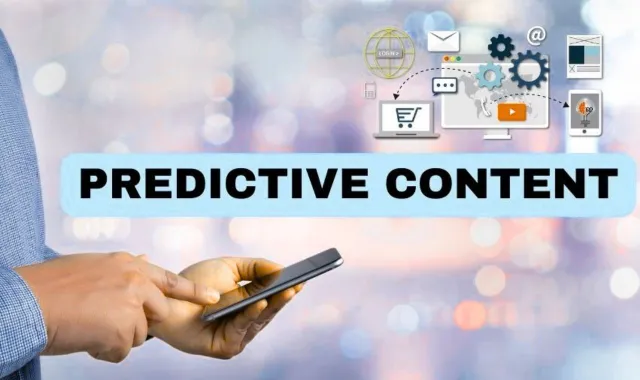
To understand the real impact of AI, it helps to compare traditional workflows with intelligent automation. Manual processes simply cannot keep pace with the complexity of modern B2B buying journeys.
Fixed Comparison
| Feature | Manual Content Management | Marketo Content AI |
| Content Selection | Marketer intuition | Predictive machine learning |
| Personalization | Broad segmentation | Individual intent-based delivery |
| Testing | Slow A/B testing | Real-time multivariate optimization |
| Scalability | Limited by team size | Unlimited automation |
| Content Usage | New assets favored | Evergreen assets recycled |
| Analytics | Descriptive reporting | Prescriptive recommendations |
Transforming Email Marketing with Predictive Content
Email remains the backbone of B2B communication, yet engagement fatigue is a growing problem. Traditional newsletters send the same message to thousands of recipients, often resulting in low click-through rates.With marketo content ai, emails become personalized experiences. Dynamic content blocks adjust automatically for each recipient based on role, industry, engagement history, and intent signals.
A single campaign can deliver hundreds of unique content combinations—without creating multiple versions manually. This level of personalization dramatically improves relevance, engagement, and conversion performance.
Reducing Unsubscribes Through Relevance
Relevant content increases trust and long-term engagement.
Scaling Personalization Without Complexity
AI eliminates the need for manual segmentation logic.
Web Personalization and Always-On Buyer Engagement
Static websites are one of the biggest conversion bottlenecks in B2B marketing. Visitors often struggle to find content that matches their needs, leading to drop-offs and missed opportunities.
marketo content ai transforms websites into adaptive experiences. AI-powered content zones recommend the next best asset based on real-time behavior—even for anonymous visitors.
This capability is especially powerful at the top of the funnel, where intent signals are strongest but identification is weakest. By guiding visitors with relevant content, brands increase lead capture and accelerate qualification.
Anonymous Visitor Intelligence
Behavioral tracking enables personalization before form fills.
Intent-Driven Conversion Paths
AI surfaces high-impact content at critical moments.
Measuring Performance with Advanced Content Analytics
One of the most overlooked advantages of marketo content ai is its ability to deliver actionable insights—not just metrics. Traditional analytics focus on clicks and views, but AI goes deeper.
Content health reports categorize assets into high performers, hidden gems, and underperformers. This allows marketers to refine content strategy based on evidence rather than assumptions.
By understanding why content works, teams can replicate success and eliminate wasted effort. Over time, this creates a self-reinforcing cycle of optimization and growth.
Identifying Hidden Content Opportunities
Low-traffic, high-conversion assets gain visibility.
Turning Content Strategy into a Science
Data replaces guesswork in editorial planning.
Overcoming B2B Complexity with Account-Level Intelligence
B2B purchases rarely involve a single decision-maker. Buying committees include finance, IT, operations, and executives—each with different priorities.marketo content ai accounts for this complexity by analyzing account-level engagement patterns. It ensures consistent messaging while tailoring content to individual roles within the same organization.This coordinated approach strengthens brand credibility and shortens sales cycles.
Maximizing ROI Through Intelligent Lead Nurturing
Traditional nurture campaigns rely on fixed schedules. Even when a lead shows strong intent, they must wait for the next automated touchpoint.AI-driven nurturing adapts in real time. marketo content ai accelerates content delivery when interest spikes and slows it when engagement declines—optimizing both experience and outcomes.This responsiveness improves conversion velocity and revenue impact across the funnel.
The Future of B2B Marketing: Human Creativity + AI Precision
The future of marketing is not automation replacing humans—it is collaboration. AI handles data, prediction, and scale, while humans focus on creativity, strategy, and emotional resonance.
marketo content ai enables this partnership by removing friction from execution and amplifying the impact of human insight. The most successful organizations treat AI as a strategic teammate, not a tool.
Strategic Implementation Best Practices for 2026
To fully leverage marketo content ai, organizations should:
- Conduct a comprehensive content audit
- Diversify formats across the buyer journey
- Define clear optimization goals
- Review performance insights regularly
- Align marketing and sales around intent data
Success comes from combining technology with disciplined strategy.
Conclusion
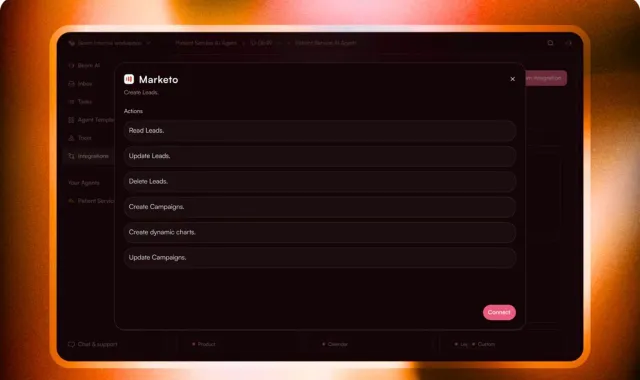
In 2026, relevance is currency. marketo content ai empowers B2B marketers to deliver personalized, timely, and data-driven experiences at scale. By replacing manual workflows with intelligent automation, it transforms content from a cost center into a revenue engine.
Organizations that embrace AI-powered content orchestration will lead the next era of B2B marketing excellence.
FAQs
Q1: Does Marketo Content AI replace content marketers?
No. It enhances distribution and optimization but depends on human creativity and strategy.
Q2: How quickly can results be expected?
Most organizations see measurable improvements within 30–60 days.
Q3: Can it personalize for anonymous users?
Yes. Behavioral signals allow personalization before identification.
Q4: Is technical implementation complex?
No. Setup typically involves lightweight scripting and configuration.
Q5: How does it support mobile experiences?
All AI-recommended content is responsive and device-optimized.
Q6: What industries benefit most?
Technology, SaaS, manufacturing, finance, healthcare, and enterprise B2B.
Q7: Is evergreen content still valuable?
Yes. AI actively recycles high-performing evergreen assets.